
5 Most Common Reasons Commercial Fire Alarm Systems Fail Inspection
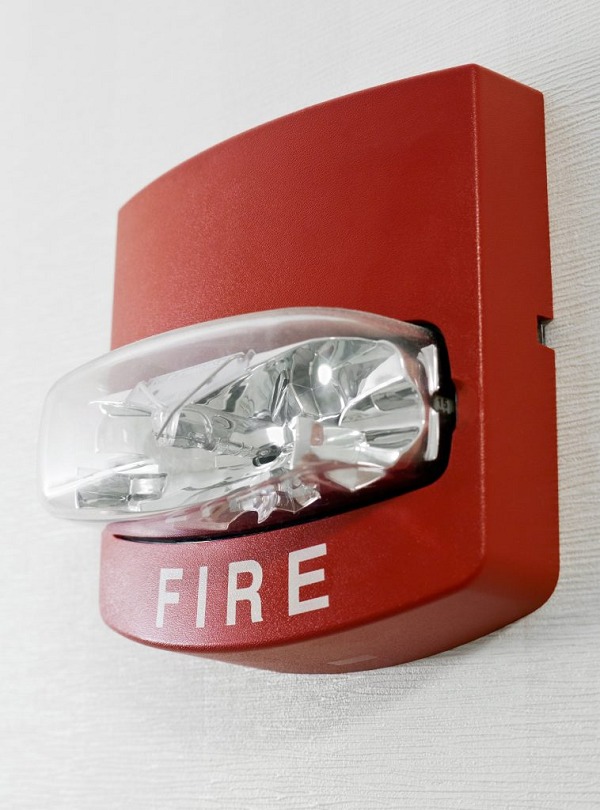
A commercial fire alarm inspection feels routine until it isn’t. The panel looks normal, devices have been quiet for years, and everyone assumes the site will pass. Then the inspector starts functional testing, asks for records, and the visit goes sideways.
Most fire alarm inspection failures come from repeat problems. They are fixable, and many are preventable with a little structure.
1. Documentation Gaps and Missing Records
Inspectors may ask for recent reports, test results, and proof that prior deficiencies were corrected. When reports are incomplete or scattered, a property can fail on paperwork alone, with the system operating as designed.
How to prevent it:
- Keep reports and service tickets in one shared folder by site and year
- Track deficiencies with a simple closeout log, including retest dates
- Update device lists after tenant changes
2. Dirty or Obstructed Smoke Detectors
Dust, debris, and buildup can push detectors out of tolerance. Paint, covers left in place, storage stacked too close, or ceiling changes that affect airflow can also create failed tests.
How to prevent it:
- Schedule cleaning or sensitivity checks based on environment and device type
- Treat renovations as a fire alarm scope item, with a restore-and-retest step
- Replace devices that repeatedly show trouble after cleaning
3. Notification Appliance Circuit Problems
NAC issues show up as trouble signals, missing devices, low output, or strobes that do not activate. Frequent causes include wiring faults, damaged appliances, and tenant build-outs that were not reconciled with the system.
How to prevent it:
- Investigate intermittent troubles early, well before the inspection
- Confirm device counts and loads match what the panel supports
- Do a walk test after space changes to confirm audibility and visibility
4. Battery and Power Supply Issues
A panel can look fine on normal power, then fail when tested on standby. Weak batteries, loose connections, corrosion, and charging problems are common contributors to inspection failures.
How to prevent it:
- Replace batteries on a planned cycle and check date codes
- Test under load during scheduled service
- Watch for repeated low battery or power supply troubles and fix the cause
5. Device Failures and Addressing Problems
Pull stations, duct detectors, modules, and initiating devices can fail during functional testing. Addressable systems add another risk: labels, locations, and programming can drift from what is installed, especially after renovations.
How to prevent it:
- Keep device labeling accurate after space changes
- Verify programming matches the field devices during service visits
- Replace damaged devices early, especially in high-traffic areas
A “Fix It Right” Approach
Consistency reduces surprises. Records live in one place, trouble signals get handled early, and service visits test the system the way an inspector will. When a system fails, the fastest path back is a partner who can find the cause, fix it correctly, and document the repair clearly so reinspection goes smoothly.
Anderson Fire Protection supports commercial fire alarm inspection and fire alarm troubleshooting for properties in the Baltimore-Washington area.
Anderson Fire Protection: Your Trusted Partner for Commercial Fire Protection
Anderson Fire Protection, a certified and women-owned small business, has been protecting homes and businesses throughout the Mid-Atlantic for over 35 years. We take pride in our commitment to best-in-class customer service and high-quality results. Put our expertise to work for you.
Give us a call at (410) 796-4915 to speak with our team, or fill out our online contact form here and we’ll be in touch shortly.